.png)
More Colors Than the Eyes can See

At the Portland Art Museum, a powerful weekend of art, education, and community took place in March 2026 through More Colors Than the Eye Can See, and behind the curtain was something even more meaningful: the leadership and impact of two Many Nations Academy (MNA) teaching staff.
On March 13, More Colors Than the Eye Can See: A Conversation with Jeffrey Gibson brought together Jeffrey Gibson and members of the Teacher Cohort for an evening of reflection and dialogue at the Portland Art Museum. Gibson spoke about his groundbreaking role representing the United States at the Venice Biennale 2024, emphasizing the importance of Indigenous voices in global spaces. As he shared, “This was the first time a living Native artist invited other Native artists to come and represent themselves.”
That spirit of representation and shared authorship carried directly into the work of the educator cohort, including two dedicated staff at Many Nations Academy, Cultural Arts Instructor Renea Menchaca (Yaqui/Apache) and Social Studies Teacher Ben Taylor, who were among just 10 educators selected nationwide for this multiyear initiative. Their participation was not only an honor, but a profound responsibility: to help shape a new, more accurate and inclusive way of teaching Native American art and cultures.
The following day, March 14, the Educator Symposium showcased the results of this collaboration. Developed in partnership with the Smithsonian’s National Museum of the American Indian, the initiative launched a suite of free, classroom-ready K–12 resources. These lessons were co-created by the cohort and are designed to reach thousands of classrooms across the country, transforming how students engage with Indigenous histories, identities, and creative expression.
Throughout the symposium, educators participated in hands-on workshops, tours, and discussions grounded in Gibson’s work and the newly developed curriculum led in part by Many Nations Academy teachers, whose voices helped ensure the materials reflect lived experience, cultural knowledge, and community connection.
That impact is also visible in the present moment. Artwork created by Many Nations Academy students, supported and inspired by their teachers, is currently on display at the Portland Art Museum. These works stand as a powerful extension of the initiative and proof that when educators are empowered, students follow.
Visitors are encouraged to experience the exhibition and see the MNA student artwork in person. To further support NAYA’s Many Nations Academy, you can learn more and contribute here: https://nayapdx.org/mna-showcase
More Colors Than the Eye Can See was the culmination of years of collaboration, led in part by MNA educators, whose work will continue shaping classrooms and conversations nationwide for years to come.

Vote No on Washington State Ballot Initiatives 011, 638 and 645
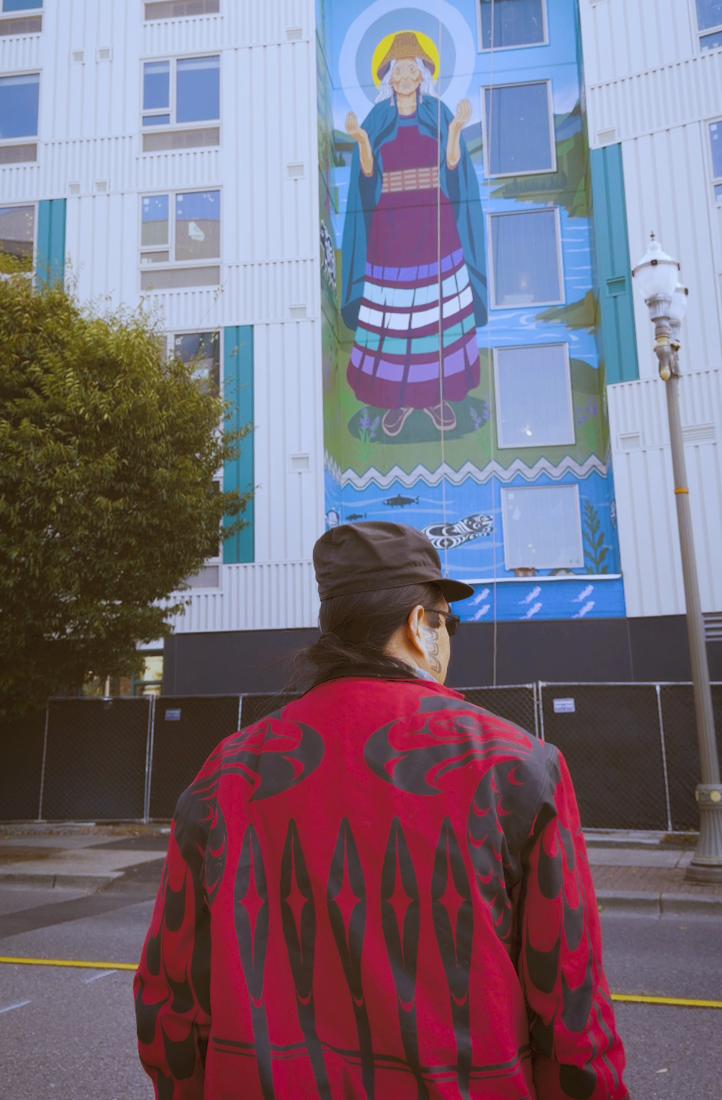
The Making of the Mural on the New Big River Home Apartments
.jpg)
.jpg)