.png)
From Sacred Land to Future Housing
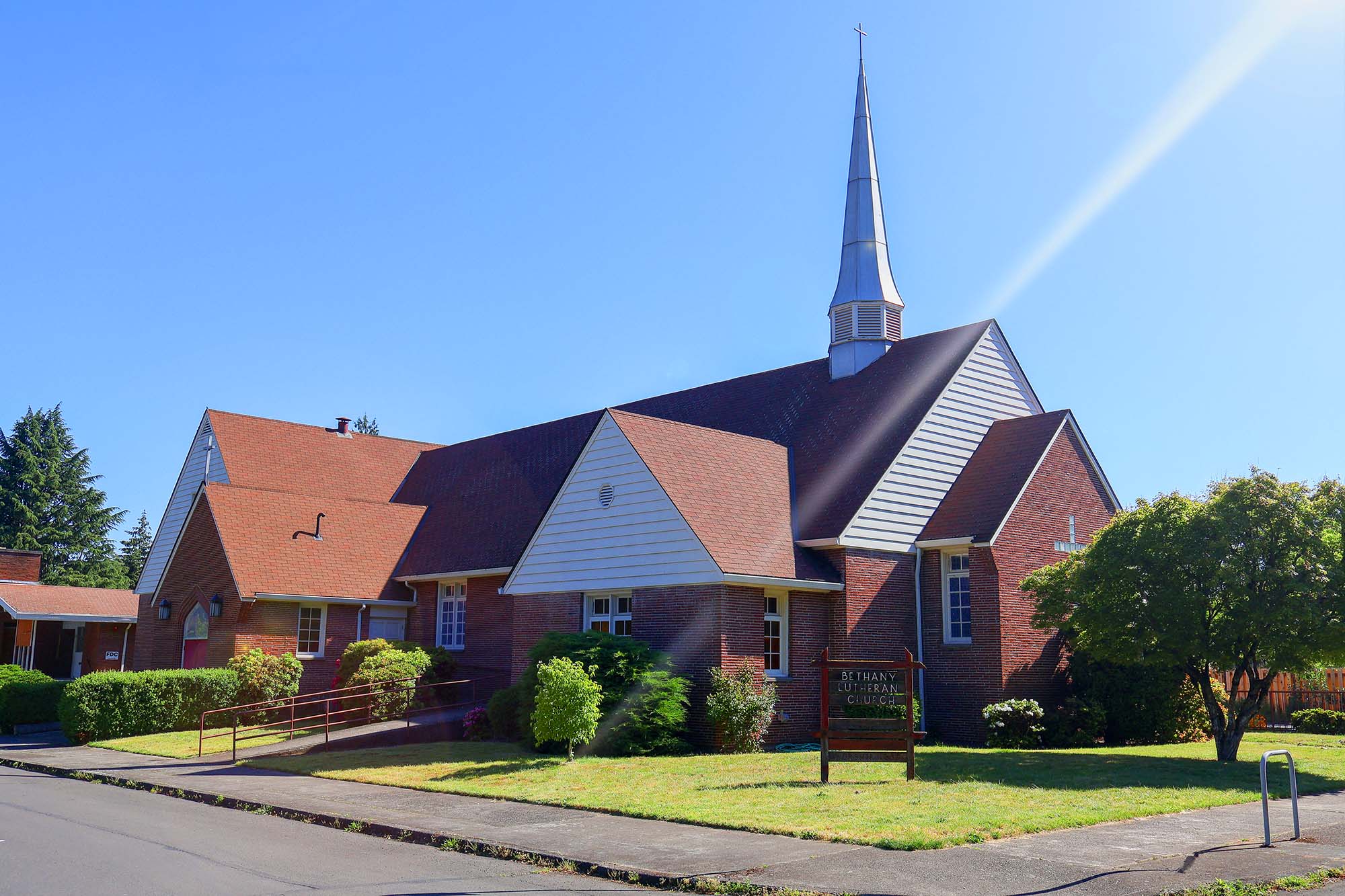
In a rare and forward-looking act of land return, the Oregon Synod of the Evangelical Lutheran Church in America has decided to return Bethany Lutheran Church in NE Portland to Indian country and selected the Native American Youth and Family Center (NAYA) to receive the property. This marks a significant evolution in the national Land Back movement, one that moves beyond symbolism into permanent, community-focused development.
The site, located in Northeast Portland, sits on land once stewarded for thousands of years by Chinookan-speaking Peoples, including the Clackamas, Kathlamet, and Multnomah, near the historic village of Neerchokikoo. Today, that same land is poised to become permanently affordable housing for Native Elders, an ambitious vision that connects past, present, and future in a single place.
“This is an incredible and significant opportunity for NAYA and the Native community,” said NAYA’s CEO Oscar Arana (Chichimeca). “This will positively change the future of our work and organization. We believe this moment can help define what meaningful land return looks like in an urban city, not just acknowledgment, but action that creates long-term stability, healing, and opportunity.”
The NAYA Board of Directors is preparing to accept the property, signaling strong alignment around a development vision centered on permanence, dignity, and intergenerational care. Early plans include the creation of permanently affordable housing, with a focus on Elder housing
The Oregon Synod’s decision emerges from years of discernment, theological reflection, and engagement with Indigenous leaders. The church’s history, like many institutions in the United States, is intertwined with displacement, colonization, and systemic inequities, including settlement patterns shaped by land dispossession and racial exclusion.
“This land holds both sorrow and possibility,” said Reverend Laurie Larson Caesar, Bishop of the Oregon synod of the Evangelical Lutheran Church in America. “Returning it is an act of honesty and humility, but also of hope. It is connected to our sense of call from the deepest part of our Christian faith. It is a step toward repair and a commitment to a different future.”
Unlike many Land Back efforts that focus on tribal nations and rural lands, this initiative represents a growing urban model taking shape in Portland: the return of land to Native-led organizations serving one of the largest urban Native populations in the country. Native people in the Portland area represent the ninth-largest urban Native population in the United States, yet continue to face significant disparities in housing access and stability. This project is also the second example in the Portland metro area of a faith-based institution returning land for Indigenous community use. The first, Barbie’s Village, was made possible through a land return by a Presbyterian church and is operated through the Future Generations Collaborative, of which NAYA is a founding member. Together, these efforts demonstrate a potential national model for how faith-based institutions and community organizations can advance land return, housing justice, and long-term investment in Indigenous communities.
“This project expands the definition of Land Back,” the NAYA CEO added. “It recognizes that Native communities are not only on tribal reservations, but also in cities, and that land return in urban contexts can directly address urgent needs like affordable housing.”
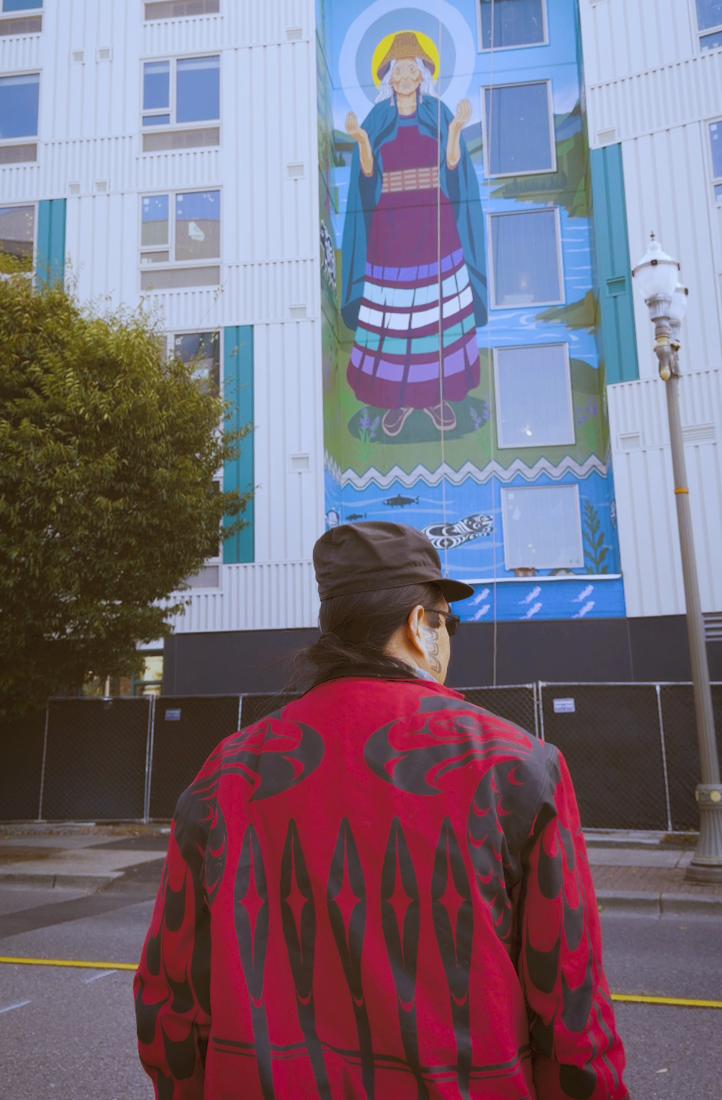
NAYA’s initial vision for the site is intentionally ambitious. Beyond creating permanently affordable, culturally grounded community space, the project represents another major step in the growing Indigenous Cultural Corridor emerging along Northeast 42nd Avenue in Portland’s Cully neighborhood. Led by Native community advocates and organizations including NAYA, the corridor envisions a connected network of Native housing, public art, cultural spaces, and BIPOC-owned businesses that honor the region’s original inhabitants while creating long-term community stability. Developments like the nearby Mamook Tokatee apartments and this land return initiative demonstrate how land justice, affordable housing, Native art, and cultural visibility can work together as part of a broader community development strategy. This project could serve as a framework for faith-based institutions, municipalities, and community organizations exploring land return and Indigenous cultural investment as pathways toward justice.
Further details, including development plans and opportunities for community engagement, will be announced in the coming months.
Check out the OPB article covering this historic event here.

Vote No on Washington State Ballot Initiatives 011, 638 and 645
The Making of the Mural on the New Big River Home Apartments
.jpg)
.jpg)