.png)
First Day of School High Five Line
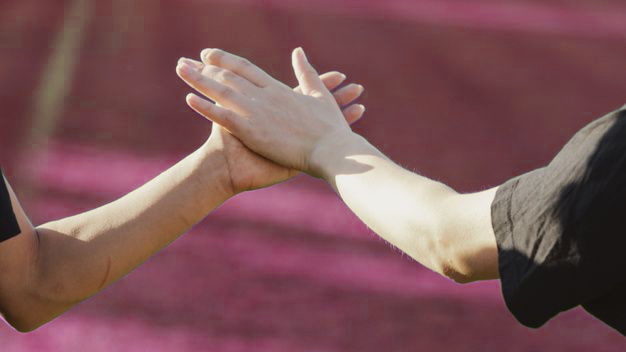
As the new school year began at Many Nations Academy (MNA), NAYA staff came together to welcome students back with a first-day tradition in the NAYA high-five line.
Years ago, NAYA’s own Alix Sanchez who has done us the great honor of recently returning after being gone for several years, came up with the idea of gathering staff to form a high-five line for students on their first day of school. We are so grateful to have them back on staff and ensuring we continue this fulfilling tradition where we have the NAYA community there to greet students and show their support as they start the new school year.
This year, we kept the tradition going.
Staff gathered in the cafetorium before forming a line in the main lobby near the front office. As students made their way from class to breakfast, they walked through the high-five line and were greeted by NAYA staff.
And, as anyone who has spent time around teenagers knows, the high-five line is not always their favorite thing, however, we continue the tradition to ensure the students know that their community is behind them supporting them every step of the way, even if they can’t see it yet.
While the high-five line is a simple tradition, it reflects something much larger, the importance of culturally specific programs and supportive communities for Native youth.
Native American students continue to face significant barriers in education and well-being. Nationally, Native students experience lower high school graduation rates than many other student groups, and Native youth are also disproportionately affected by poverty, housing instability, limited access to health care, and mental health challenges. According to the Centers for Disease Control and Prevention, American Indian and Alaska Native youth face higher risks of suicide than many other racial and ethnic groups. These statistics are not a reflection of Native students’ potential. They point to the need for stronger support, culturally responsive education, and greater investment in Native communities.
Culturally specific programs like MNA are important because they create learning environments where Native students can see their cultures, histories, and communities reflected in their education. Students are able to learn in a space that recognizes their identities as strengths rather than treating them as an afterthought. They can build relationships with educators and peers who understand the importance of family, community, culture, and connection.
When students know who they are, where they come from, and that their community believes in them, they are better supported in navigating challenges and imagining a future for themselves. A high five on the first day of school cannot solve every barrier students face. But it can send an important message that they are seen, valued, and belong here. That when they walk through the doors, they will know that they do not have to face this school year alone.
Click to learn more about the Many Nations Academy.
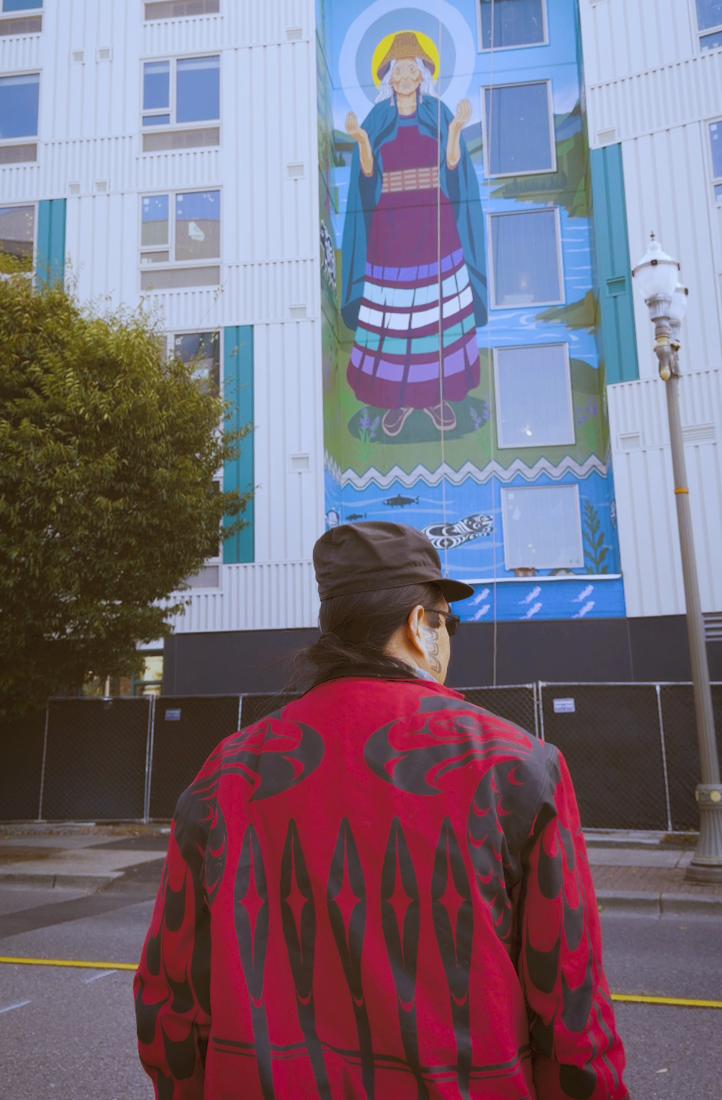
The Making of the Mural on the New Big River Home Apartments
.jpg)
.jpg)
Experienced and Well-Known NAYA Leader Takes on New Role