Honoring the Service of Our Veterans
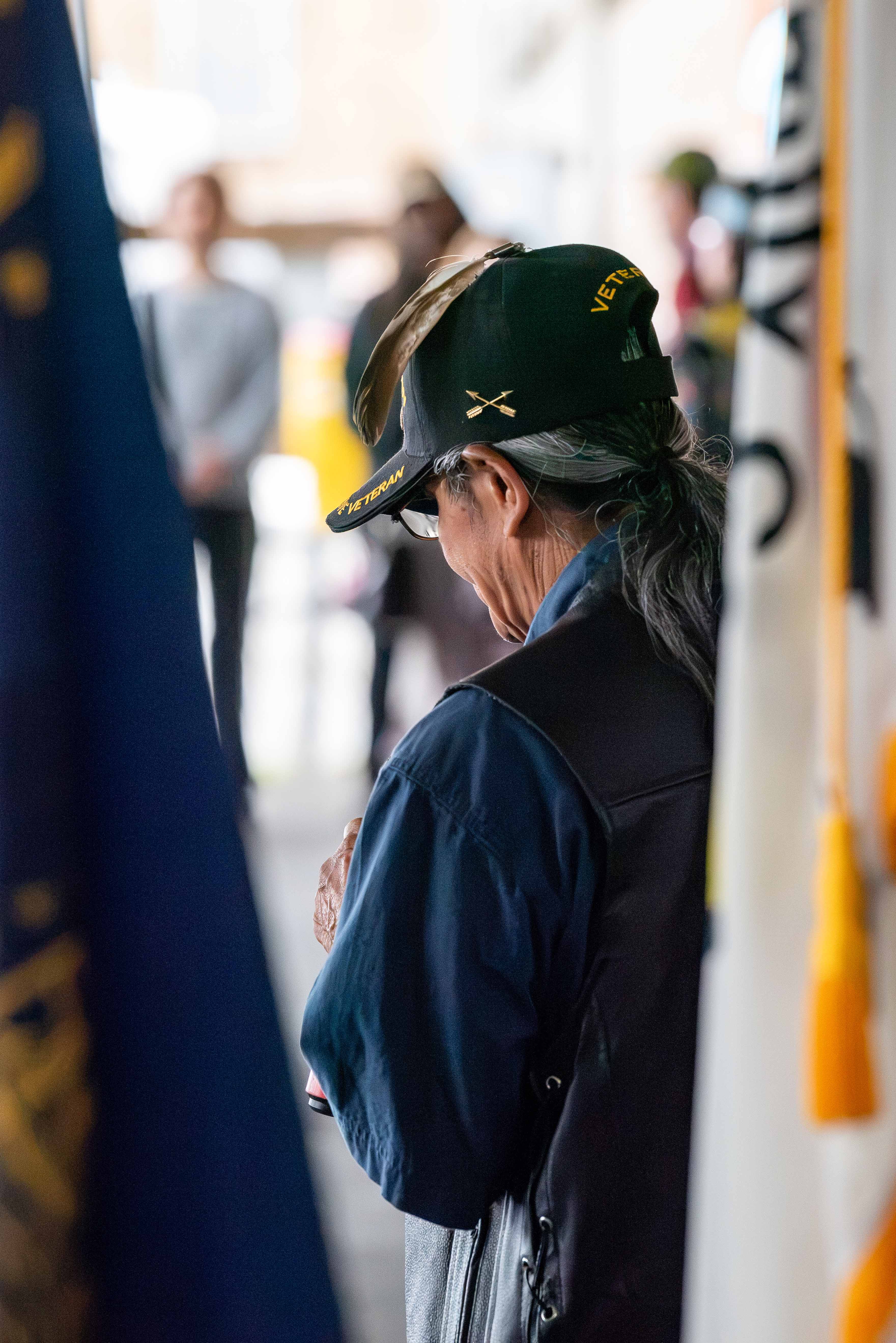
For my family, Veteran’s Day holds a special place in our lives. My brother Eugene Sanchez, who is featured in the photo accompanying this, served in the U.S. Army from 1977-1982. Additionally, my father was an Army veteran, and I have many nieces and nephews who were and are in the Marines, the Navy, and the Coast Guard. Our family has served and continues to uphold the traditions of Native warriors.
AT NAYA, we endeavor to honor the many veterans in our community, particularly our Elders. When we host Powwows, Veterans open the event with a ceremonial posting of the colors (flags).
In honor of Veteran’s Day, I wanted to take a moment to acknowledge that more Native Americans serve in the United States military than any other demographic group in the country, at roughly five times the national average, according to the National Indian Council on Aging.
Native Americans have participated in every major U.S. conflict for over 200 years, stretching back to the American Revolution.
In World War II, Navajo Code Talkers became legendary for creating a special code using their indigenous language to transmit sensitive information. The Navajo people’s unique and largely unwritten language made it an ideal fit for creating a code. By the end of the war, there were approximately 400 Native Code Talkers in the military from the Navajo, Cherokee, Choctaw, Lakota, Meskwaki and Comanche tribes, all translating encrypted messages in their native tongues from the front lines in real time as they received them, the USO reports.
Cpl. Ira Hayes of the Pima people was one of the six Marines who famously erected the American flag on Iwo Jima, which and became an iconic image of victory in the world war.
Veterans Day acknowledges the dedication, patriotism, and willingness of service members to put themselves in harm's way for the common good. The day also honors the sacrifices made by military families who support their service members. Importantly, it also drives awareness and support for veterans' health care, education, and employment needs when they return to civilian life.
For many Native Americans, military service is deeply rooted in long-standing warrior traditions that emphasize protecting family, community, and ancestral land. Within tribal communities, veterans are held in high esteem.
This Veterans Day, I give thanks and praise to the many Native Veterans and active service members who have so bravely and honorably served the nation.
I have compiled a small list of resources available for Veterans in Oregon and Washington State:
Washington State Native Veterans Program:
- Runs the Native Veterans Program, which prioritizes self-identifying Indigenous veterans, families, women, Two-Spirit, LGBTQ+, and unhoused individuals.
- Services include VA disability claims, housing, legal help, food, transportation, employment assistance, sweat lodges, sharing circles, and a color guard.
Native & Strong Lifeline: the nation's first dedicated 988 crisis and suicide prevention line designed by and for Indigenous people.
- In Washington state, dial 988 and press 4, or text N8V to 988. For general veteran crisis support, you can also dial 988 and press 1.
Historic Firsts for Native Americans in U.S. Politics.
Vote No on Washington State Ballot Initiatives 01, 638 and 645